Duck Embroidery Design: A Pro Review for Real Projects
As someone who has spent years digitizing, stitching, and critiquing machine embroidery design files for both personal use and client deliverables, I approach every new download with a healthy dose of skepticism. We've all been there: you buy a cute graphic online, load it onto your machine, and halfway through the stitch-out, you realize the density is too high for the fabric or the details are going to disappear into a puckered mess. That is why I took a close look at the Duck design before committing it to a final product. This isn't just about whether it looks good on a screen; it's about how it performs under the needle when you have a deadline and a paying customer waiting.
First Impressions and Visual Personality
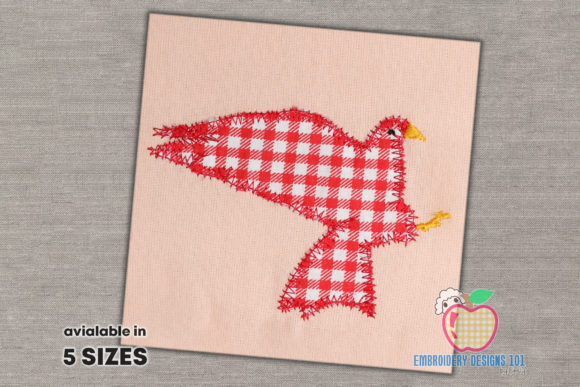
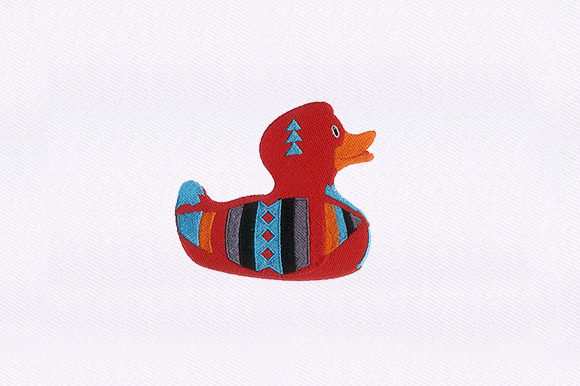
The moment I pulled up the preview for Duck, the immediate takeaway was its charming simplicity. In the world of Birds and animal motifs, there is often a temptation to over-complicate feathers and beaks with excessive detail. However, this design strikes a balance that feels modern yet timeless. The shape language is soft and inviting, creating a mood that is perfect for nursery decor, baby showers, or casual boutique apparel. It doesn't scream for attention with aggressive lines; instead, it offers a friendly visual personality that translates well across different mediums.
From a layout perspective, the composition feels solid. The proportions suggest that the digitizer understood how thread behaves differently than ink. There is a clear hierarchy in the visual elements, ensuring that the main subject—the duck itself—remains the focal point without getting lost in background noise or unnecessary flourishes. For an Etsy seller or small shop product creator, this kind of clarity is gold. It means your branding remains legible even from a distance, which is crucial for things like tote bags or patches.
Real-World Application: The Tote Bag Test
To truly evaluate an embroidery file, you have to imagine it in a specific context. I visualized using Duck for a custom order: a set of canvas tote bags for a local farmer's market vendor. This is a common scenario for many of us in the craft business. Canvas is a sturdy fabric, but it has a distinct weave that can swallow up fine details if the stitch count isn't right.
In this hypothetical run, Duck shines because of its likely reliance on clean fill stitch areas rather than overly intricate satin stitch columns that might sink into the canvas texture. If you are planning a tote bag design, this motif offers enough surface area to look substantial without overwhelming the bag's utility. It would also work beautifully as a central element on a sweatshirt embroidery project. Imagine a muted olive green hoodie with this duck stitched in cream and mustard tones; the contrast would pop while maintaining that cozy, handmade aesthetic customers love.
For those creating personalized gift items, such as baby bibs or burp cloths, the scale of this design seems appropriate. Baby embroidery requires designs that are soft to the touch and durable enough to withstand frequent washing. Assuming the underlay is done correctly (which you must verify by running a test), the smooth contours of this bird design should sit flat against delicate fabrics without causing irritation.
Technical Considerations and Fabric Challenges
While the design shows promise, a professional reviewer must also play devil's advocate. Where could Duck potentially fail? The primary concern with any animal motif involving small features—like eyes or beaks—is the risk of losing definition on textured or stretchy fabrics. If you attempt to stitch this on a ribbed knit or a highly textured linen without proper stabilization, those finer points might blur.
If you are working with dark fabric, pay close attention to the thread colors suggested in the file. Sometimes, digital previews assume a white background, and the contrast might not hold up on navy or black material. You may need to manually adjust the thread chart in your software to ensure the duck doesn't vanish into the garment. Additionally, if you are aiming for an embroidered patch look, consider adding a thick cutaway stabilizer and perhaps a merrow border if your machine capabilities allow, to give it that premium, finished edge.
Curved surfaces present another challenge. Placing Duck on a cap or a structured hat requires careful hooping. The center of the design needs to align perfectly with the crown's apex to avoid distortion. Because birds often have directional flow, stitching this on a curved surface could make the duck appear to be sliding off the side if not positioned with geometric precision. Always hoop your stabilizer and fabric tightly; there is no room for slack when dealing with detailed Embroidery projects.
Enhancing Brand Value and Customer Trust
The choice of design directly impacts the perceived value of your finished product. A sloppy or poorly chosen graphic can make a handmade item feel amateurish, whereas a well-executed design like Duck elevates the entire piece. When customers see clean lines, consistent stitch density, and thoughtful color choices, they associate those qualities with your brand's reliability.
For commercial embroidery ventures, consistency is key. If you are selling a line of kitchen towels featuring this bird, every single unit needs to look identical. This design appears robust enough to handle repeat production runs without significant variation, provided your tension settings remain stable. It contributes to brand consistency, making your products instantly recognizable at craft fairs or in online printable mockup galleries.
Essential Designer Notes Before You Stitch
Before you commit this design to a client's garment, here is my practical checklist for ensuring success:
- Test on Scrap Fabric: Never skip this step. Stitch Duck on the exact same material and weight you plan to use for the final item. This reveals issues with puckering or registration errors.
- Check Stitch Density: Look closely at the fill areas. If they seem too dense, your fabric might pucker. If too sparse, the backing will show through. Adjust if necessary.
- Verify Hoop Size: Ensure the design fits comfortably within your available hoop size with enough margin for the frame clamps.
- Review Thread Contrast: Simulate the design on both light and dark backgrounds. Ensure the thread colors provide sufficient separation between elements.
- Inspect Small Details: Zoom in on the beak and eyes. Are there tiny running stitch details that might break easily? Consider simplifying them for durability.
- Confirm Licensing: If you intend to sell items made with this digital embroidery file, double-check the license terms. Some designers allow personal use only, while others permit commercial sales.
Ultimately, Duck represents a versatile asset for your library. Whether you are creating holiday embroidery for seasonal gifts or building a collection of design assets for your online store, this motif has the potential to perform well. It bridges the gap between whimsical charm and technical feasibility. Just remember, the best design in the world still relies on the skill of the operator. Take the time to prep your materials, respect the nuances of the applique design or standard fill techniques used, and you will end up with a product that brings genuine joy to whoever receives it.