Happy Snowman: A Designer's Review for Holiday Projects
As we move deeper into the holiday season, the pressure to deliver unique, high-quality handmade products increases. For those of us running small shops or managing custom orders, choosing the right digital embroidery file is not just about aesthetics; it is about reliability, stitch-out success, and customer satisfaction. Recently, I took a close look at the Happy Snowman design to evaluate its potential for real-world application. This isn't a theoretical review; it is an assessment based on how this specific asset performs when translated from a screen to fabric.
First Impressions and Visual Personality
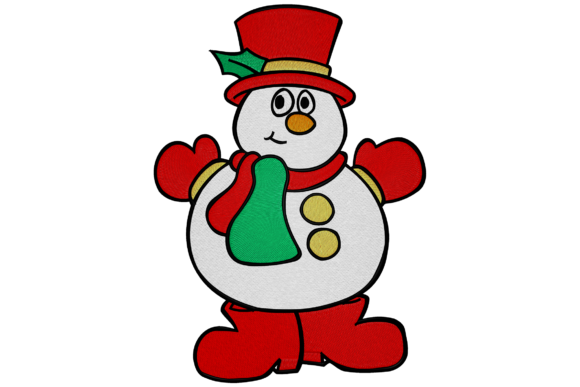
The moment you load the Happy Snowman onto your screen, the mood is immediately established. It radiates warmth and whimsy, perfectly capturing the spirit of Christmas without feeling cliché or overly complex. The layout suggests a friendly character that invites interaction, making it an ideal candidate for items meant to bring joy. From a design perspective, the balance between the snowman's features and the negative space appears well-considered. It avoids the common pitfall of overcrowding, which often leads to thread breaks or lost details in smaller hoops.
The visual personality of this design leans towards the playful side, suggesting it would thrive on items intended for children or casual home decor. However, its clean lines also allow it to sit comfortably on more structured garments if paired with the right typography or placement. The fact that it is described as "digitized by hand" gives me confidence that the stitch paths were likely optimized by a human eye rather than auto-generated, which usually results in better flow and fewer jumps.
Real-World Application Scenarios
To truly test the viability of the Happy Snowman, I imagined several specific projects where this design would be the star. One immediate thought was a custom sweatshirt embroidery project for a boutique client. Placing this design on the left chest of a heather grey crewneck creates a subtle yet festive look that appeals to adults who want holiday cheer without being overwhelming. The available sizes mentioned in the product details are crucial here; having five size options means I can scale it down for a pocket placement or enlarge it for a bold back print.
Another strong use case is in the realm of baby embroidery. A soft, pastel-colored onesie featuring this happy character would make an exceptional personalized gift. The rounded shapes typical of snowman designs usually translate well to knit fabrics, provided the density is managed correctly. Furthermore, this design feels tailor-made for a tote bag design. Imagine a canvas tote used for carrying holiday gifts or groceries; the Happy Snowman adds a touch of seasonal flair that elevates a basic utility item into a cherished keepsake.
For Etsy sellers and craft fair vendors, versatility is key. This design could easily be adapted into an embroidered patch, sewn onto denim jackets or scarves. Patches are a huge trend, and a well-digitized snowman offers a low-risk, high-reward product for inventory. Additionally, using this as a central element on a pillow cover allows for a larger stitch area, showcasing the detail of the digitizing while providing a cozy textural element to living room decor.
Technical Considerations and Fabric Compatibility
While the aesthetic appeal is strong, a professional designer must always consider the technical execution. The product description notes that these are digital files available in five sizes, but it does not specify exact stitch counts or recommended hoop dimensions. This is a critical detail to verify before purchasing. If you are working with a small hoop size, you need to ensure the smallest version of the Happy Snowman retains enough clarity. Tiny details like eyes, buttons, or scarves can easily turn into a muddy mess if the stitch density is too high for the scale.
Fabric choice plays a massive role in the final outcome. On stable woven fabrics like cotton twill or linen, this design should perform beautifully. However, caution is advised when applying it to stretchy fabrics or textured materials like fluffy towels. In these cases, the use of a high-quality stabilizer is non-negotiable. For a sweatshirt or fleece, a cut-away stabilizer is often preferred to prevent the design from sinking into the nap of the fabric over time. If you attempt this on a cap, remember that curved surfaces require specific framing techniques to avoid distortion, especially around the edges of the snowman's hat or body.
Thread color selection is another area where your expertise comes into play. While the preview might show standard blue and white, experimenting with metallic threads for the scarf or variegated threads for the background could add a unique twist to the finished product. Always test your thread colors against the fabric background; a white snowman on a white sweater needs sufficient contrast stitching to remain visible.
Commercial Viability and Brand Consistency
For those using the Happy Snowman in a craft business, consistency is vital. If you plan to sell multiple items featuring this design, you need to know that every stitch-out will look identical. High-quality digitizing ensures that the machine embroidery design runs smoothly across different machines, reducing downtime and thread waste. This reliability directly impacts your profit margins and brand reputation.
Furthermore, the "giftability" factor of this design is high. Customers are always looking for thoughtful, unique items during the holidays. A tea towel or apron featuring this cheerful snowman tells a story of care and craftsmanship. It enhances the perceived value of the item, allowing you to price your small shop product competitively while maintaining healthy margins. When creating printable mockups for your online listings, ensure the design looks crisp and clear; the visual appeal of your photos often dictates the click-through rate.
Practical Notes for the Embroiderer
Before committing to a full production run or a client order involving the Happy Snowman, adhere to these practical steps:
- Test on Scrap Fabric: Always stitch a sample on the exact same material and weight you intend to use for the final product. This reveals any issues with puckering or registration.
- Check Licensing Terms: The description mentions commercial potential, but always confirm the specific license agreement. Ensure you are allowed to sell finished physical goods or if there are restrictions on selling the digital file itself.
- Inspect Small Details: Zoom in on the digitized file to check for tiny lettering or intricate corners. If the design includes small text, verify it is legible at your intended size.
- Review Stitch Types: Look for a mix of satin stitch for borders and fill stitch for larger areas. A good balance ensures durability and visual texture.
- Contrast Testing: Create a black and white mockup to see how the design holds up without color reliance. This helps identify potential density issues.
In conclusion, the Happy Snowman presents itself as a versatile and charming addition to any holiday embroidery project. Its strength lies in its adaptable nature, fitting seamlessly into various contexts from custom apparel to home decor. By paying attention to fabric compatibility, stabilizer choices, and licensing details, designers can leverage this asset to create stunning, professional-grade items that resonate with customers. As with any design asset, the key to success is preparation and testing, ensuring that the final result matches the joyful promise of the initial design.