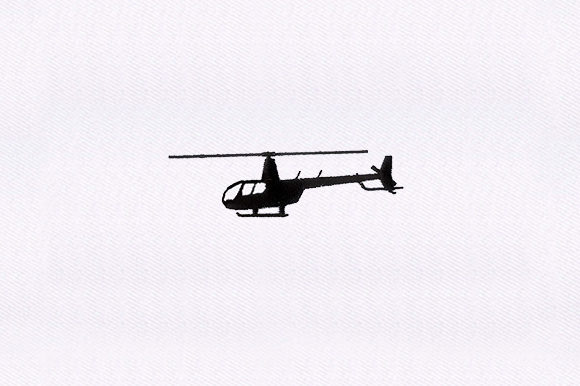
Helicopter Design Review: A Pro's Take on This Machine Embroidery File
As an embroidery designer who spends countless hours digitizing and stitching for clients, I know that the difference between a good project and a great one often comes down to the quality of the digital embroidery file you start with. Recently, I came across the Helicopter Design on Creative Fabrica and spent some time evaluating it not just as a pretty picture, but as a viable asset for real-world commercial embroidery projects. If you are an Etsy seller, a small business owner, or a crafter looking to expand your Transportation themed offerings, this review breaks down what you can expect when putting this design to work.
First Impressions: Visual Mood and Stitching Personality
The moment I opened the preview for the Helicopter Design, I was struck by its clean lines and balanced composition. In the world of machine embroidery design, clarity is king. Many designs suffer from over-complication, where too many tiny details get lost in the thread. This design, however, seems to strike a nice balance between decorative appeal and technical feasibility. The visual mood is playful yet structured, making it versatile enough for a child's nursery decor or a rugged patch for a utility jacket.
The stitching personality appears to rely heavily on well-defined fill stitch areas for the body of the helicopter, likely paired with crisp satin stitch outlines to define the rotors and windows. This combination is crucial for durability. A design that relies too much on running stitch might look delicate, but for items like tote bags or caps that see frequent use, the density provided by fill and satin stitches ensures the image holds up over time. The color separation looks logical, suggesting that swapping thread colors to match a specific brand palette or customer request would be straightforward without ruining the integrity of the image.
Real-World Application: From Mockups to Finished Products
When considering where to apply the Helicopter Design, my mind immediately went to custom apparel. For a sweatshirt embroidery project, this design offers a bold statement piece that doesn't overwhelm the garment. Imagine a navy blue hoodie with this helicopter stitched in bright yellow and white on the chest; it creates an instant focal point. Similarly, for a tote bag design, the structural nature of a helicopter complements the sturdy canvas material often used for bags. The design's proportions seem ideal for the standard 5x7 or 6x10 hoop sizes common in home and small business machines.
Beyond apparel, this file shines in the realm of handmade gifts and nursery decor. A baby blanket featuring this transportation motif could be a standout item for a baby shower. Because the design falls under the Transportation category, it naturally fits into collections for new parents who are theme-planning a room. Furthermore, for those selling embroidered patches, the distinct outline of the helicopter suggests it would cut cleanly if you are using a tack-down method or creating a merrowed edge patch. The versatility extends to kitchen towels and aprons, where a whimsical touch can elevate a simple utility item into a charming handmade product.
Navigating Technical Challenges in Production
While the design looks promising, experienced embroiderers know that aesthetics are only half the battle. The real test is how the Helicopter Design performs on difficult fabrics and surfaces. If you plan to stitch this on a curved cap surface, pay close attention to the stitch density. Dense areas can cause puckering on the structured front panel of a baseball cap. I recommend running a test on scrap fabric that mimics the weight and weave of your final cap material. Using a high-quality cut-away stabilizer is non-negotiable here to prevent the design from shifting or distorting during the wash cycle.
For stretchy fabrics like jersey knits used in t-shirts, the same rule applies. You must ensure the hoop size you select allows for proper stabilization without stretching the fabric too tightly in the hoop, which leads to registration issues once the item is removed. Another consideration is dark fabric. If the design includes fine details or small lettering (if any is included in the specific variation you download), you must check the thread color contrast. A light thread on a dark background needs a solid underlay to prevent the fabric from peeking through and muddying the colors. Always compare light and dark fabric mockups before committing to a large production run.
Enhancing Product Value and Brand Consistency
In the competitive market of creative entrepreneurs, the quality of your finished product directly impacts buyer trust. Using a professional-grade embroidery file like the Helicopter Design signals to your customers that you care about detail. When a customer receives a pillow cover or a personalized gift with clean edges, no loose threads, and vibrant colors, their engagement with your brand increases. They are more likely to leave positive reviews and return for future purchases.
Moreover, consistency is key for boutique merchandise. If you are building a collection of vehicle-themed items, ensuring that the stitch quality of the helicopter matches your other designs helps establish a cohesive brand identity. High-quality stitching also improves product photography. The texture of the satin and fill stitches catches the light beautifully, making your printable mockup images and actual photos pop on social media and Etsy listings. This visual appeal is often what stops a scrolling customer and turns them into a buyer.
Practical Notes Before You Stitch
Before you dive into your next commercial embroidery order using this design, there are several practical steps you should take to ensure success. First, always test on scrap fabric. This allows you to verify the tension and see how the machine handles the transitions between color stops. Second, inspect small details after stitching. Look closely at the rotor tips and window frames to ensure they are sharp and not blobbed together due to excessive density.
It is also vital to confirm the file details and licensing terms on the Creative Fabrica product page. The Helicopter Design comes in a wide array of formats including DST, PES, EXP, JEF, and XXX, among others. Ensure you download the specific format compatible with your machine. While the product description lists formats like 10O, ART, CND, DSB, DSZ, HUS, PCS, PEC, TAP, VIP, and VP3, double-check that your software reads these correctly if you plan to edit the design. Never assume the license allows for unlimited commercial use without reading the specific terms; some designs have restrictions on the number of physical items you can sell.
Finally, consider the end-user experience. If the product is intended for a child, ensure there are no long jump stitches on the back that could snag fingers or toes. Trimming jumps and securing thread tails properly adds a level of polish that defines professional work. By taking these precautions, the Helicopter Design can become a reliable staple in your library of design assets, helping you create everything from rugged workwear patches to delicate baby keepsakes with confidence and ease.