Ladybug with the Lines on Back Applique Review
As an embroidery designer who has spent years refining digitizing techniques for boutique apparel, I approach every new machine embroidery design with a critical eye. It is not just about whether the image looks cute on a screen; it is about how those stitches will behave on heavy fleece, how the thread tension holds up after fifty washes, and whether the final aesthetic elevates a brand or makes it look amateur. Recently, I evaluated the Ladybug with the Lines on Back Applique for an upcoming limited drop of premium sweatshirts. This review breaks down why this specific piece from the Bugs category stands out as a viable asset for small shop products and serious commercial embroidery projects.
First Impressions and Design Personality
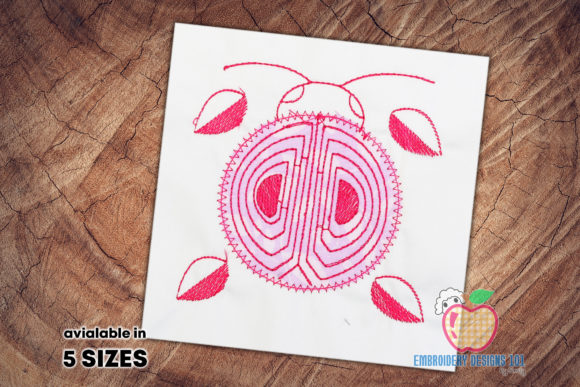
When I first loaded the digital embroidery file into my editing software, the layout immediately struck me as balanced and intentional. The title mentions "Lines on Back," which suggests a structural element that adds depth beyond a standard flat insect motif. In the world of Embroidery, adding linear details to an appliqué shape is a smart move; it breaks up large areas of satin stitching that can sometimes look bulky on thick fabrics. The mood of this design feels playful yet grounded. It avoids being overly childish, making it perfect for a boutique brand targeting adults who appreciate whimsical but sophisticated custom apparel.
The separation of steps by color changes is a crucial detail mentioned in the product description. For a professional, this means efficiency. When running a production batch for a small online shop, minimizing manual trims and jumps saves hours of labor. The design appears to have a clear personality: it is decorative without being cluttered. Whether you are aiming for a rustic farmhouse vibe or a modern, minimal streetwear look, the ladybug motif adapts well because the linework provides enough texture to stand out even on neutral backgrounds.
Fabric Compatibility and Sweatshirt Application
The true test of any hoodie design or sweatshirt graphic is how it interacts with fabric texture. I envisioned this Ladybug with the Lines on Back Applique on several different bases. On a heavy, charcoal grey oversized hoodie, the contrast would be striking if paired with bright red and black thread colors. The appliqué technique inherently adds a layer of dimension that feels premium against the soft loop of French terry or fleece.
For pastel-colored spring collections, such as sage green or blush pink crewnecks, this design offers a fresh, seasonal appeal. However, one must consider stitch density. Appliqué designs generally have lower density than full-fill designs, which is excellent for sweatshirt embroidery because it prevents the garment from becoming stiff or puckering around the chest area. If you are placing this on the back of a jacket, the weight distribution is less of an issue, but for front chest logos, the lighter feel of this design ensures the drape of the fabric remains natural and cozy.
It is vital to note that while the design comes in multiple formats for various machines, the specific hoop size required is not explicitly stated in the basic description. Before committing to a large run, always verify that your machine's hoop capacity matches the design dimensions, especially if you plan to scale it up for a large back print versus a small sleeve accent.
Technical Execution and Durability
From a technical standpoint, the success of this piece relies heavily on your choice of stabilizer. Since we are dealing with stretchy knit fabrics typical of hoodies and sweatshirts, a cut-away stabilizer is non-negotiable for long-term durability. Tear-away stabilizers might seem easier to remove, but they often lead to distortion over time, causing the "lines" in the ladybug design to warp. Because this is an appliqué, the fabric patch itself adds stability, but the surrounding stitch lines need a solid foundation to maintain their crispness.
Thread color contrast is another area where this design shines. The description notes that steps are separated by color changes, allowing for precise control over the visual hierarchy. You can opt for a monochromatic look using varying shades of red for a subtle, high-end feel, or go bold with traditional black outlines and vibrant red fills for maximum visibility. For Etsy sellers creating lifestyle product photography, these color options allow for versatile mockups that appeal to different customer segments.
One concern with any small-scale design is readability. If you intend to shrink this Ladybug with the Lines on Back Applique for a pocket logo or cuff detail, ensure the fine lines do not merge. The "lines on back" feature suggests delicate detailing that could get lost if reduced too significantly. Always stitch out a test sample on your actual garment fabric before selling the finished product to customers.
Elevating Brand Identity and Value
In the competitive market of handmade goods, the perceived value of an item often hinges on the quality of its embellishments. Using a well-structured design like this signals to the buyer that care was taken in the creation process. It transforms a blank sweatshirt into a curated handmade product. For creative entrepreneurs, consistent use of high-quality design assets builds visual recognition. If this ladybug becomes a signature element of your seasonal drops, customers will begin to associate that specific aesthetic with your brand identity.
Furthermore, the versatility of this file supports various revenue streams. It works beautifully on tote bags, denim jackets, and even home decor pillows, expanding your catalog without requiring new design purchases. The ability to use the same embroidery file across multiple machine types ensures that as your business grows and you upgrade equipment, your library remains useful.
Final Verdict for Boutique Use
The Ladybug with the Lines on Back Applique is a robust choice for decorators looking to add a touch of nature-inspired charm to their collections. It balances the whimsy of the Bugs category with the structural integrity needed for commercial wear. While the product description confirms multiple formats and color-separated steps, remember to double-check the specific technical specs like hoop requirements and exact stitch counts before launching your production line. With the right stabilizer and thread selection, this design has the potential to be a standout feature in your next custom apparel launch, driving engagement and reinforcing the quality of your boutique brand.