Little Devil Redwork Design: A Spooky Season Essential
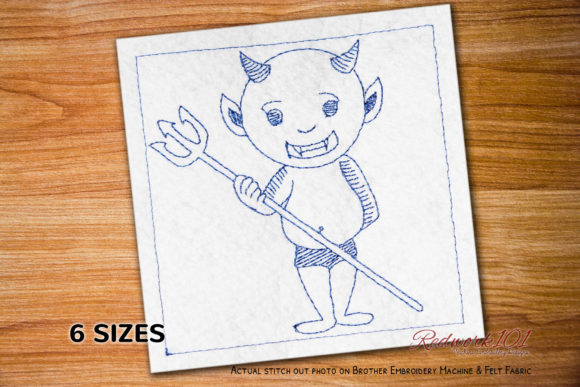
As an embroidery designer who spends the better part of late summer planning for the autumn rush, I am always on the hunt for designs that strike the perfect balance between playful and professional. When I first opened the Little Devil Redwork Design from Creative Fabrica, my immediate impression was one of nostalgic charm mixed with a modern minimalist edge. There is something inherently cozy about redwork; it harkens back to traditional hand-stitching while offering the crisp precision of a digital embroidery file. This specific design captures a whimsical Halloween mood without being overly aggressive or scary, making it an ideal candidate for a wide range of seasonal products.
The aesthetic of the Little Devil is undeniably cute rather than menacing. For sellers targeting families, young children, or those who prefer "spooky cute" over horror, this design hits the mark. The line work appears clean, which is crucial for redwork styles where every stitch is visible and defines the character. In terms of emotional tone, it feels festive and lighthearted. It evokes memories of vintage holiday cards and handmade heirlooms, which is exactly the vibe many customers are seeking when they browse Etsy for unique, non-mass-produced items.
Real-World Applications for Your Holiday Shop
When evaluating a new machine embroidery design, I always visualize how it will look on actual finished goods. The versatility of the Little Devil Redwork Design is its strongest asset for building a cohesive seasonal collection. Because redwork typically uses a single color thread (often red, black, or orange for this theme), it integrates seamlessly into various fabric textures and product types.
For apparel, this design is a standout choice for sweatshirt embroidery. Imagine a charcoal grey crewneck with the little devil stitched in vibrant crimson on the left chest. It creates a subtle, branded look that appeals to adults who want to participate in the holiday spirit without wearing a full costume. It also works beautifully on toddler hoodies for matching family sets, a huge seller during the fall months.
Beyond clothing, the design shines on home decor and accessories. A natural linen tote bag design featuring this character makes for an excellent trick-or-treat bag or a stylish grocery runner for October. For the kitchen, consider kitchen towel embroidery; a set of flour sack towels with the little devil near the hem adds a touch of seasonal flair to a hostess gift. Furthermore, this motif is perfectly sized for pillow cover accents or even as a central element on a rustic burlap runner.
If you are looking to expand into smaller goods, this design is ideal for creating an embroidered patch. By using a tear-away stabilizer and finishing the edges with a satin border or merrow edge, you can create iron-on patches that customers can apply to their own jackets or hats. This opens up a revenue stream for those who may not want to sell the physical garment but still want to offer a handmade gift option.
Strategic Selling and Seasonal Appeal
In the context of an Etsy seller or small shop owner, timing and presentation are everything. The Little Devil Redwork Design offers high visual recognition. Its simple lines translate well into printable mockup graphics for social media previews. When potential buyers scroll through Instagram or Pinterest, a clean redwork image stands out against the clutter of complex, multi-colored designs.
This design supports the creation of limited-edition apparel and gift bundles. You could pair a stitched tote bag with a matching keychain or a small pouch, all featuring the same devil motif. This increases the perceived value of your small shop product and encourages larger basket sizes. For commercial embroidery businesses, the simplicity of the design means faster production times, allowing you to fulfill orders quickly during the peak holiday shopping period.
The emotional connection here is key. Buyers are often looking for items that feel personal and crafted with care. A personalized gift featuring this design—perhaps with a name added in a complementary font—feels exclusive. It builds customer trust because it clearly isn't a generic print from a big-box store. The "redwork" style specifically signals craftsmanship, which can justify a higher price point compared to standard filled designs.
Technical Considerations and Production Notes
While the design is charming, practical execution requires attention to detail. As with any redwork piece, the quality of your thread colors will make or break the final look. Since there are no fill stitches to hide imperfections, your tension must be perfect. I recommend testing the design on both light and dark fabrics before committing to a large run. On dark fabrics, ensure you use a high-sheen polyester or rayon thread to make the lines pop against the background.
One specific note from the product details mentions that "The Box Stitch shown in picture is optional." This is a crucial detail for customization. If you are stitching on a curved surface like a cap, you might want to skip the box entirely to avoid distortion. Similarly, if you are working with a stretchy garment, removing unnecessary outline stitches can help maintain the integrity of the design after washing.
Stabilizer selection is another critical factor. For lightweight fabrics like those used in kitchen towels or baby items, a cut-away stabilizer is often safer to prevent puckering over time. However, for sturdy sweatshirts or tote bags, a high-quality tear-away might suffice. Always check the recommended hoop size before purchasing the embroidery file. While redwork designs are generally compact, ensuring your machine's hoop can accommodate the optional box stitch is necessary if you plan to use it.
Be cautious with very thick towels or textured fabrics. The simple lines of redwork can sometimes get lost in deep pile fabrics. In these cases, a water-soluble topper can help keep the stitches sitting on top of the texture rather than sinking in. Additionally, review the stitch density settings in your software if you plan to resize the design significantly. Enlarging it too much might make the lines look sparse, while shrinking it could cause thread breaks if the stitches become too dense.
Final Verdict for Seasonal Collections
The Little Devil Redwork Design is a robust addition to any autumn catalog. It bridges the gap between traditional craft aesthetics and modern commercial viability. Its strength lies in its adaptability; it looks just as good on a premium baby onesie as it does on a rugged canvas apron. For designers focused on holiday embroidery, this file offers a low-risk, high-reward opportunity to diversify product offerings.
Before finalizing your production run, remember to verify the licensing terms on the Creative Fabrica product page to ensure compliance for commercial embroidery sales. Check the specific file formats provided to ensure compatibility with your machine brand. By paying attention to these details and leveraging the cute, nostalgic appeal of this design, you can create a collection of finished product items that resonate deeply with shoppers looking for that perfect touch of spooky season magic.