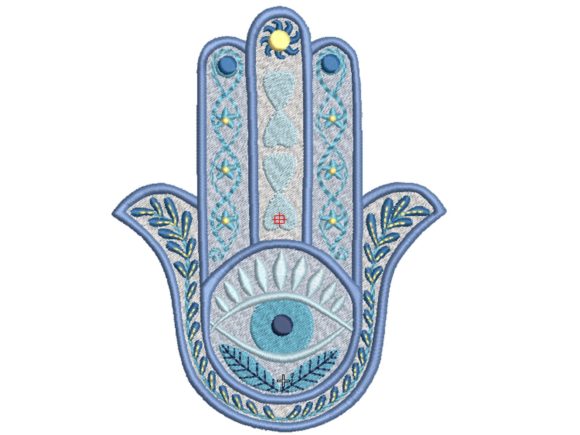
Hamsa Hand Review: A Boho Asset for Small Business Merch
As an embroidery designer who has spent years digitizing and reviewing files for commercial use, I approach every new machine embroidery design with a critical eye. It is not enough for a file to look pretty on a screen; it must perform under the needle, withstand washing, and elevate a brand's identity. Today, I am reviewing the Hamsa Hand, a digital asset categorized under the Boho style, specifically evaluating its potential for small business merchandise, branded patches, and professional apparel.
The first impression of the Hamsa Hand is one of protective elegance. In the world of Embroidery, symbols carry weight, and the Hamsa is universally recognized as a sign of luck and defense. Visually, this design feels both rustic and premium. It strikes a balance between a handmade aesthetic and a polished finish, which is crucial for modern brands that want to appear authentic yet professional. For boutique owners, creative studios, or wellness coaches, this design offers an immediate visual connection to values of care and positivity without feeling overly trendy or disposable.
Real-World Application for Brand Identity
When considering where to deploy the Hamsa Hand, the possibilities for small business merch are extensive. Imagine a local coffee shop looking to upgrade their staff uniforms. Placing this design as a subtle chest logo accent on a dark work shirt instantly adds a layer of personality that a plain text logo cannot achieve. Similarly, for a florist or bakery, embroidering the Hamsa onto aprons creates a cohesive team look that feels welcoming to customers.
Beyond uniforms, this design shines as an embroided patch. Patches are currently a massive trend in custom apparel, allowing businesses to create collectible items for their loyal customer base. A Hamsa Hand patch can be ironed onto denim jackets, tote bags, or even product packaging accents like fabric gift wraps. For Etsy sellers and craft business owners, offering a finished product featuring this design—such as a branded tote or a limited-run cap—can significantly increase perceived value. The symbol acts as a stamp of quality, suggesting that the item was made with intention and care.
The versatility of the Hamsa Hand also extends to event merch. Whether it is a pop-up market, a yoga workshop, or a community fair, having a recognizable icon stitched onto giveaway items helps solidify brand identity. Customers are more likely to keep and use an item with a meaningful, well-executed symbol than one with a generic corporate logo. This drives long-term visibility and fosters a deeper emotional connection with the brand.
Technical Considerations for Production
While the artistic merit of the Hamsa Hand is clear, a professional review must address the technical realities of production. The description notes that this listing includes one design for machine embroidery and requires a way to transfer files from your computer to your equipment. However, it does not specify exact stitch counts, supported file formats, or recommended hoop sizes. Before committing to a large production run, you must verify these details with the seller.
One critical area to evaluate is stitch density. Boho styles often incorporate intricate details to mimic hand-stitched looks. If the density is too high, the design may become stiff and puckered, especially on lighter fabrics like cotton tees or linen aprons. Conversely, if the density is too low, the coverage may be poor on dark uniforms. I strongly advise running a test stitch-out on the actual fabric you intend to use. Check how the thread colors interact with the material; a design that pops on white canvas might get lost on a heather grey sweatshirt.
Placement is another factor requiring careful attention. If you plan to use the Hamsa Hand for cap embroidery, remember that the curved surface of a hat distorts designs differently than flat fabric. Ensure the design fits within the available sewing field of your cap frame. For tote bag design applications, consider the texture of the canvas. Heavy-duty canvas may require a stronger needle and potentially a different stabilizer to prevent the design from sinking into the weave. Always test on a scrap piece of the same material to confirm the finished product meets your quality standards.
Strategic Advice for Commercial Use
To maximize the return on investment for this digital embroidery file, follow these practical steps before selling or distributing your merchandise:
- Test in Monochrome First: Stitch the design using only black thread on white fabric (and vice versa). This reveals the true structure of the design and ensures it remains recognizable even without color variations.
- Verify Scalability: Determine if the design holds up at smaller sizes. A large back-piece design might lose definition if shrunk down for a sleeve detail or a small product label.
- Check Spacing and Saturation: Inspect the spacing between elements. Tight details can merge together during stitching, creating a muddy look. Adjust your tension or digitizing settings if necessary.
- Confirm Hoop Compatibility: Ensure the design fits your available hoop sizes without needing excessive re-hooping, which can lead to alignment issues.
- Select the Right Stabilizer: Match your stabilizer to the fabric weight. Cut-away stabilizers are often best for items that will undergo frequent washing, while tear-away may suffice for decorative pieces.
- Create a Printable Mockup: Before stitching, create a printable mockup to show clients or stakeholders. This helps visualize the design assets in context and secures approval before wasting materials.
- Review Licensing Terms: Since this is intended for commercial embroidery projects, explicitly confirm the licensing agreement. Ensure you have the rights to sell finished goods featuring the Hamsa Hand.
In conclusion, the Hamsa Hand is a potent tool for enhancing brand identity and creating meaningful handmade products. Its bohemian charm appeals to a wide demographic, making it suitable for everything from chic boutique labels to rugged outdoor gear. However, its success relies entirely on proper execution. By respecting the technical limitations of your machinery, choosing the right materials, and verifying the file specifications, you can transform this digital file into a tangible asset that builds trust and recognition for your business. Treat it not just as a decoration, but as a strategic component of your brand's visual language.