Mermom Review: A Joyful Asset for Small Business Merch
As an embroidery designer who has spent years digitizing and stitching for boutique brands, I approach every new machine embroidery design with a critical eye. It is not enough for a file to look cute on a screen; it must perform under the needle, withstand industrial washing, and elevate a brand's identity. Today, I am reviewing Mermom, a design categorized under Beach and Embroidery, to determine its viability for small business merch, custom apparel, and branded patches.
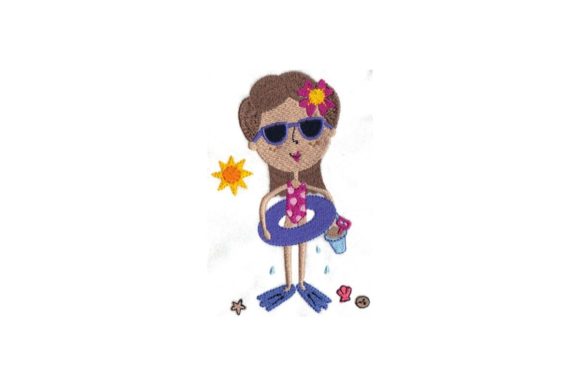
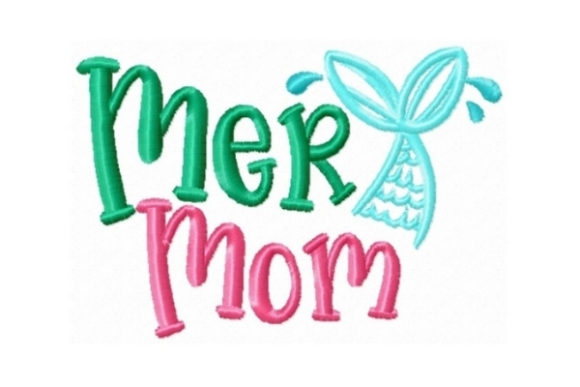
The first impression of Mermom is undeniably joyful. Based on the product description, which highlights its cute nature and adaptability to any fabric, this design leans heavily into a playful, handmade aesthetic. For businesses in the creative sector—such as florists, bakeries, pet brands, or coastal boutiques—this visual personality is a goldmine. It signals approachability and warmth, two traits that drive customer trust in local markets. However, translating "cute" into a professional brand identity requires careful execution.
Real-World Application for Branded Merchandise
When evaluating Mermom for commercial use, I immediately visualize its potential beyond simple decoration. For a seaside café or a surf shop, this design serves as an excellent candidate for an embroidered patch. Patches are versatile; they can be sewn onto canvas tote bags, denim jackets, or aprons without the risk of puckering the base garment as much as direct embroidery might. If your business sells handmade product lines, adding a Mermom patch as a label adds perceived value and creates a cohesive look across your inventory.
Consider the application on staff uniforms. For a boutique hotel or a beachside rental agency, placing this design on the chest pocket of a work shirt or as a sleeve detail on a polo creates a unified team appearance. The "joyful" vibe of the design translates well to customer-facing roles, making staff appear friendly and accessible. Furthermore, for event merch, such as a summer festival or a local market stall, Mermom works beautifully on caps. Cap embroidery requires specific attention to curvature, but a design with a strong, clear silhouette like this often reads well even on the structured front panel of a trucker hat or baseball cap.
Another high-value use case is apron embroidery. In the food and craft industries, branded aprons are essentially walking billboards. Stitching Mermom onto high-quality linen or canvas aprons turns a utility item into a piece of branded art that customers often ask where they can buy one. This drives secondary revenue streams for small businesses.
Technical Considerations and Production Challenges
While the aesthetic appeal is strong, a professional review must address the technical realities of production. The product description notes that the digital embroidery file comes with multiple options, which is promising for versatility. However, before running a production batch, there are several factors to test.
First, consider stitch density. Designs described as "cute" sometimes rely on dense satin columns or complex fills to achieve a soft look. If the density is too high for the chosen fabric, you risk needle deflection or fabric distortion, especially on stretchy materials used in custom apparel. I always recommend testing the design on a scrap piece of your actual production fabric first. If you are stitching on a textured fabric, such as a waffle-knit towel or a rough canvas tote bag design, ensure the thread coverage is sufficient to hide the weave without sinking in.
Size is another critical variable. If you intend to use Mermom as a small logo accent on a collar or a tiny tag, you must verify the legibility of the details at reduced sizes. Fine lines and small text often disappear when scaled down below one inch. For small business merch intended for children or pets, smaller hoops are common, so confirming the minimum hoop size required for this specific file is essential. The product details do not specify exact dimensions or stitch counts, so you must check these specs in the download package before committing to a large order.
Color contrast is vital for visibility. Since this is a beach-themed design, it likely utilizes bright blues, teals, or corals. When stitching on dark uniforms, you may need to adjust the underlay or add a backing layer to prevent the garment color from bleeding through the stitches. A pro tip is to run a test in black and white first. If the design holds its shape and clarity without color reliance, it is a robust file suitable for various branding needs.
Elevating Brand Identity and Customer Perception
In the crowded marketplace of Etsy sellers and craft creators, visual consistency is key to building brand identity. Using a distinct design like Mermom across all touchpoints—from packaging accents to employee wear—creates a memorable brand experience. When a customer receives a package with a neatly stitched patch featuring this joyful motif, it reinforces the idea of quality and care. It moves the perception of the item from a mass-produced good to a thoughtful, finished product.
Moreover, professional embroidery signals legitimacy. A blurry print fades; high-quality stitching endures. By investing in a proper embroidery file and executing it with the right stabilizer and thread tension, you communicate that your business values durability and craftsmanship. This builds long-term customer loyalty. For those creating printable mockup files for online stores, having a real photo of the stitched Mermom design on a physical product can significantly increase conversion rates compared to digital-only renderings.
Designer Notes for Commercial Success
To ensure the best results when integrating Mermom into your commercial embroidery workflow, follow these practical steps:
- Verify Licensing: Before selling items featuring this design, confirm the commercial licensing terms included with the file. Some designers allow unlimited sales, while others have caps.
- Test Thread Colors: Match the thread colors to your specific brand palette if possible, rather than relying solely on the default suggestions, to maintain visual consistency.
- Check Spacing: Inspect the spacing between elements. Tight spacing can cause thread breaks or bird-nesting during high-speed machine runs.
- Use Proper Stabilizer: Select a cut-away stabilizer for stretchy fabrics and tear-away for stable wovens to ensure the design lays flat and does not pucker over time.
- Create a Mockup: Always present a physical sample or a high-resolution photo mockup to your client for approval before starting full production.
- Compare Assets: Place the stitched Mermom design beside your other design assets to ensure it complements rather than clashes with your existing logo or typography.
In conclusion, Mermom offers a charming and versatile option for businesses looking to inject some coastal joy into their merchandise. Whether used for cap embroidery, tote bags, or staff uniforms, its success lies in the preparation. By respecting the technical limitations of embroidery and understanding the fabric dynamics, you can transform this cute design into a powerful tool for brand growth. Always remember to check the specific file details provided by the creator regarding formats and sizing to ensure your production runs smoothly.